
Turkey waste powers first US poultry plant
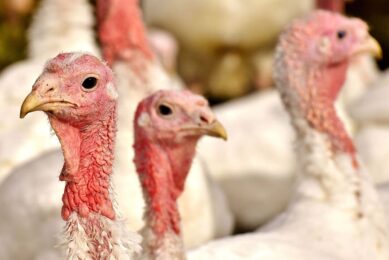
Turkey farmer Greg Langmo’s has 16,000 hens producing a 15-inch layer of turkey litter, which translates into some 750 tonnes of a new source of energy.
This waste will help a US$200 million power plant to begin full-scale production next month. The 55-MW Fibrominn LLC plant will be the first poultry litter-fired power plant in the US, tapping a novel source of renewable energy to produce enough power for 50,000 homes. Similar plants are being planned in other major poultry states within the US.
Poultry litter, being a mix of droppings, wood chips, seed hulls, shed feathers and spilled feed is a known fertilizer, however, it can cause nitrates and phosphates to build up in soil, groundwater and runoff. Therefore, poultry producers are looking for another way to get rid of this by-product.
Poultry litter works as a fuel because it’s relatively dry and easy to burn, compared with cow and hog manure. Three tonnes of poultry litter have about as much energy as a tonne of coal.
Langmo said the plant will consume about 40% of the turkey litter Minnesota produces, turning about 500,000 tonnes of it per year into electricity. Around 20 – 25% of the plant’s fuel mix will be other biomass such as corn stover, native prairie grasses and wood chips.
Join 31,000+ subscribers
Subscribe to our newsletter to stay updated about all the need-to-know content in the poultry sector, three times a week.





 Beheer
 WP Admin
  Bewerk bericht